Crafts and knowledge

The techniques we weave with

The guanga is the technique that holds the group’s work together. Over time we have explored others to widen what we offer, always bringing out the symbolism of our people.

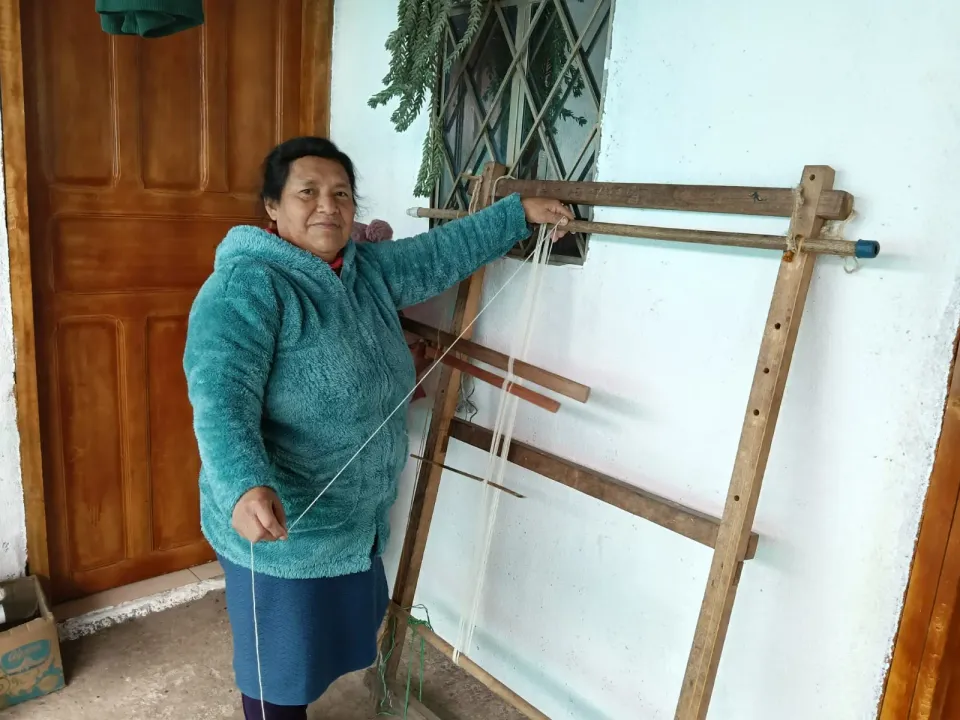
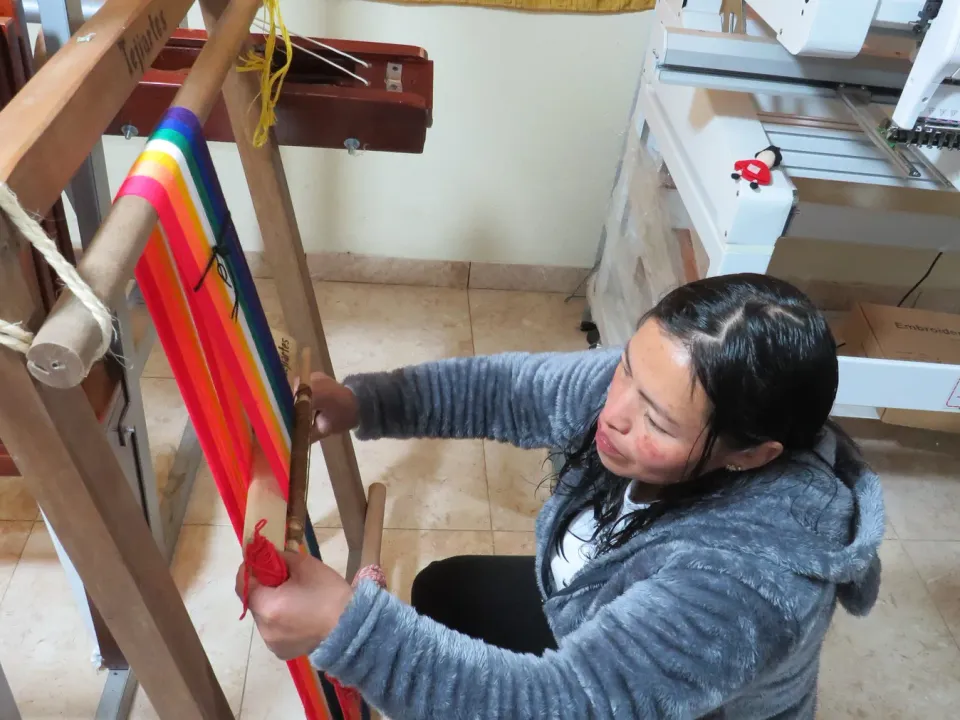
Weaver working at the guanga loom

01

Guanga weaving

The loom we inherited

The weaver tensions the warp between the beams and sets every pass of the weft by hand, so the figure is woven into the garment rather than laid over it. It is the technique that demands the most time on the loom and the one that holds the group’s work together.

  • Chumbes and sashes
  • Ruanas and blankets
  • The Kolla Raymi dress
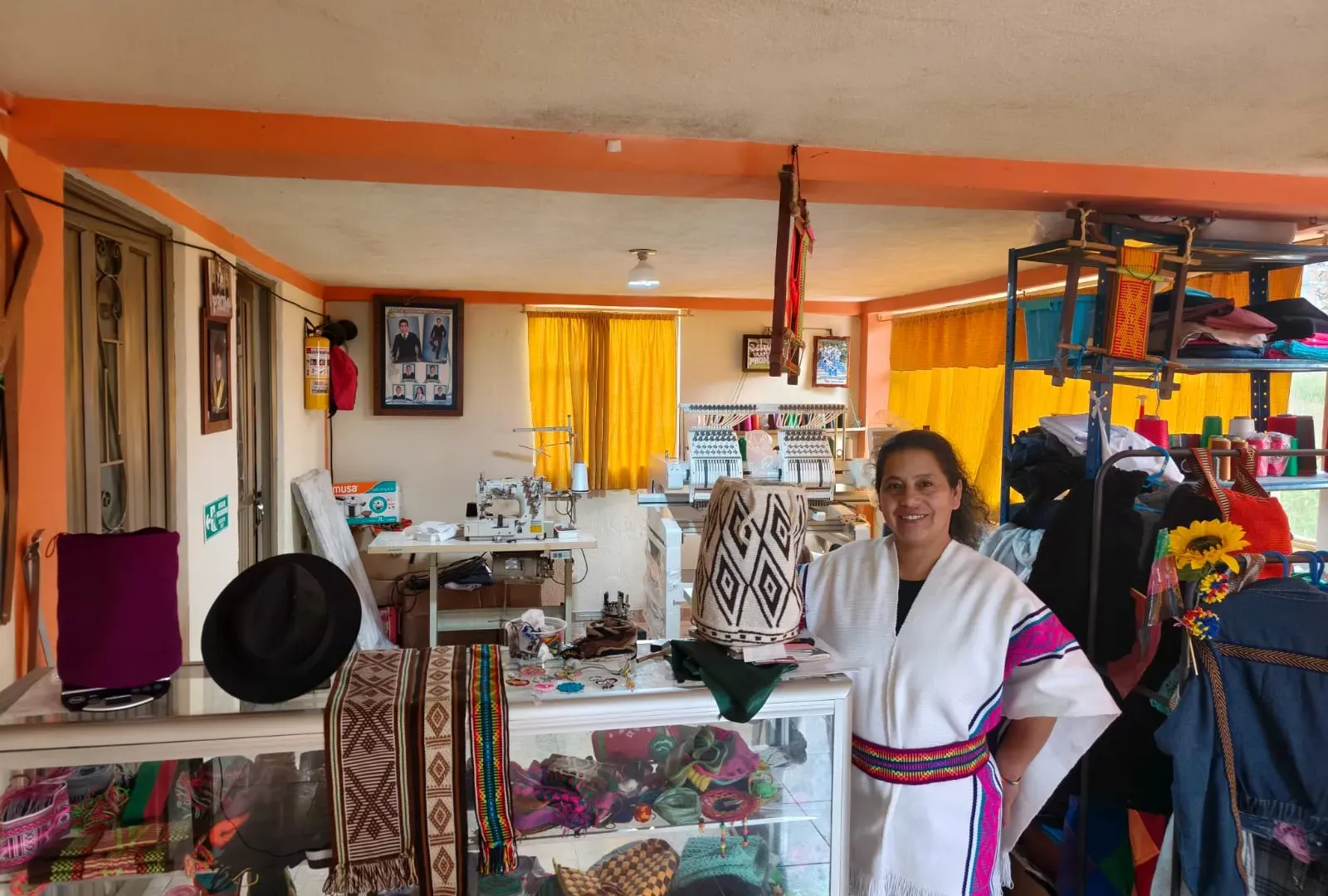
Weavings and accessories made in the workshop

02

Agujeta, agujones and macramé

Techniques we explored over time

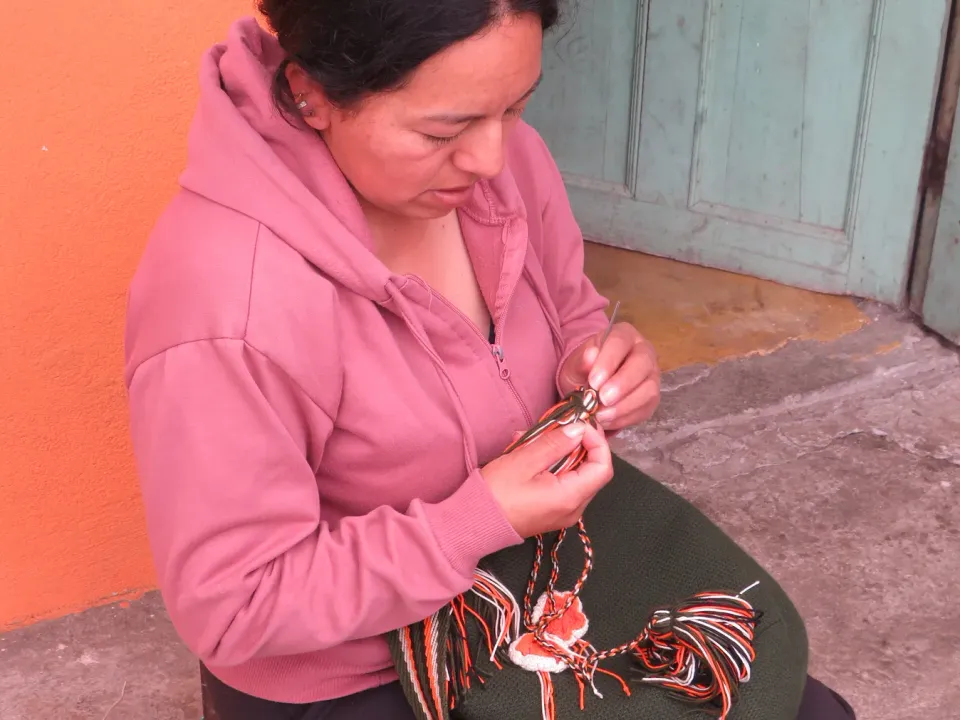
Over the years we added other ways of weaving that let us widen what we offer and reach more people. From them come the garments and accessories that accompany the guanga weavings.

  • Scarves and bags
  • Hats, sweaters and follados
  • Bracelets, earrings, rings and keyrings
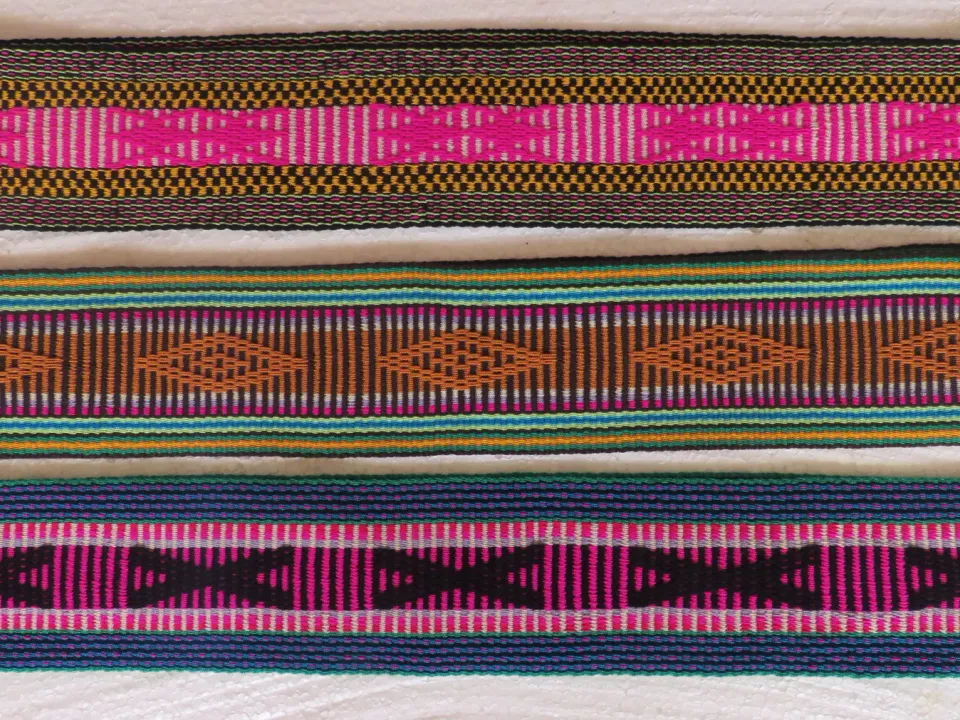
Chumbes carrying the symbolism of the Pastos people

03

The symbolism of the Pastos

What every garment tells

Through weaving we bring out the symbolism of our own people. We also design and make garments for dance groups inside and outside the reservation, working the symbols of the Pastos territory into every piece.

  • Our own symbolism in every garment
  • Costumes for dance groups
  • Whipalas and ceremonial pieces
Country road of the Mueses reservation

04

Sharing the knowledge

Mingas de Pensamiento and teaching

We share knowledge and experience with the children and young people of the reservation by teaching guanga weaving. The Santa Teresita Indigenous Agro-industrial School is our main partner in this sharing of wisdom.

  • Mingas de Pensamiento Artísticas
  • Teaching with the Santa Teresita school
  • Exchange of knowledge among women

Connect with the art and memory of TejiArtes Mueses

Want to ask about a weaving, order a custom garment or learn about the group’s community work?